ILANGA LANGESONTO MAY 07, 2006
KUYETHUSA, kuyenyanyisa futhi kulichilo ukuba abezindaba kanye nosopolitiki babange omkhulu umsindo uma sekukhulume umlomo ongathethi manga, iSilo samaBandla Onke kulesi sifundazwe uNdabezitha Goodwill Zwelithini kaDinuZulu ngokuqanjwa kabusha kwesifundazwe kweliKaMthaniya kube yiKwaZulu.
Mhlawumbe sikhona isidingo sokuba emva kokwedlula kweminyaka elishumi izwe laseNi-ngizimu ne-Afrika lathola uHulumeni wentando yeningi, imiphakathi eyakhele nesizukulwane esizayo kulesi sifundisiwe ukuba kebachazelwe kabusha ngemvelaphi yegama KwaZulu-Natal.
IZulu eliPhezulu liyihlabe esikhonkosini ukuphakamisa ikuba sethiwe kabusha lesi sifundazwe futhi sibizwe ngegama vele esasaziwa ngalo kungakafiki aMaqadasi nezinjongo zawo zoku-cindezela abakhele leli zwe ngokwepolitiki, ezomnotho kanye nokushiya insila yokucindezeleka ingaphelile ngokomqondo kwabamnyama.
Ngaphambi kokungena esiphakamisweni seSilo, ngithatha leli thuba ukukhumbuza bonke abakhele lesi sifundazwe, ikakhulukazi wonke amaZulu akhonze KwaKhethomthandayo ukuthi njalo uma ukhulunywa izindaba ezithinta iSilo naseNdlunkulu, ikakhulukazi njengesabelo sezi-tiali KwiSishayamthetho, ngisho okungenadosi kuyatinyela.
Muva nje abezindaba basibikele ukuthi ongumholi weqembu labeLungu KwiSishayamthetho uMnuz Roger Burrows ukuhlabe wakuhlikiza ukwakhiwa koMthetho-sisekelo wesiifundazwe oqhakambisa amandla eSilo njengomuntu obhekele bonke abakhele lesi sifudazwe.
Zolo lokhu ongumholi weqembu lamaNdiya kwiSishayamthetho uMnuz Amichand Raj-
bansi uphakamise okuyimpicabadala lapho ethi zonke izizwe ezakhele lesi sifundazwe, kungaba. yiwo amaNdiya, amaBhunu noma amaKhaladi kufanele abe nawawo amakhosi kulesi sikhathi samanje ngoba ethi ziningi lezi zimali ezifuqelwa ehhovisi elibhekene nezindaba zeSilo naseNdlunkulu.
Ubhejane phume'siqiwini ukuphakamisile ukubhekisisa ukuqanjwa kwalesi sifundazwe KwiSithangami ebesidingida Impi Yemali YamaKhanda eye-nzeka kulesi sifundazwe emi-nyakeni elikhulu eyedlule (1906), lapho bekuhlangene khona uDkt Jacob Zuma, oSoMlando, AmaKhosi akhele lesi sifundazwe, izifundiswa kanye nabo bonke ababambe iqhaza ekwakheni kabusha umlando walesi sifundazwe futhi bonke bebeze ngamaxhama abo noma lawo adlalwa ngokhokho babo ekulwisaneni noKhandaPondo bangaleso sikhathi.
Ingqikithi yesithangami bekungukubhekisisa kabusha igama elethiwa ngabelungu kule mpi ethathwa njengeyaba namahlandla aqavile ekuhlanganiseni zonke izizwe ezimnyama ezakhele izwe laseNingizimu ne-Afrika, ngemuva kokuba amaNgisi namaBhunu (1899-19-02) eselwile, ehlulana ase exolelana ukuze akwazi ukubambisana ekucindezeleni abantu abamnyama kuleli zwe.
Bonke abebehambele lesi sithangami bavumelene ngokuthi ukubiza Impi Yemali Yama-khanda ngeBHAMBATHA REBELLION ayibaniki abaMnyama isithunzi kanye nesigqi esifanele le mpi ngoba phela, phecelezi, ngesiLungu 'to rebel' wukuphuma ecaleni udlove nje okungenamqondo, kanti lempi yabe ihlelwe ngesinono futhi bonke ababeyibambile njengoBhambatha Zondi, Sgananda Shezi, Mehlokazulu Ngobese, angesale ngaphandle noChakijana, ngoba babebambisene kakhulu nobukhosi baKwaZulu bangaleso sikhathi.
Nabo ubukhosi baKwaNxamalala eNkandla badlala enkulu indima kule mpi, njengoba sikhuluma nje maningi amathambo amadoda akulesisifundazwe alele ehlathini phakathi eNkandla.
Abafundi kufane bakuqondisise ukuthi Inkosi uDinuzulu iboshwa nje idingiswe, idunguzele ize ikhothame epulazini KwaThengisanga (Middelburg), yingenxa yokuthi inkosikazi kaBhambatha uSiyekisiwe yabanjwa yaboshwa eMahlabathini, yase iyaziqeketha izindaba kubeLungu ukuthi
yona nezingane zayo babecashiswe oSuthu yinkosi uDinuzulu.
Ukuphakanyiswa kwe"Kwa Zulu" njengegama okuzoqanjwa ngalo lesi sifundazwe kabusha kuba ngenkulu inselelo kwizakhamuzi ezakhele lesi sifundazwe.
Kungabe njengoba sigubha ikhulu leminyaka ngeMpi Yemali Yamakhanda senza ngokuyikho yini ukuthi ngisho bona abacubunguli ngokuqanjwa kabusha kwamagama ezindawo kulesi sifundazwe kube ngezinye izinhlanga na?
Kungabe idolobha elikhulu kulesi sifundazwe "DURBAN"laqambeka ngokuyikho yini ngoba phela idolobha eliyokomkhulu-mbuso kulelizwe "PRETORIA" lesulwa njengoba selaziwa ngeTSHWANE nje?
Kungabe lesi sifundazwe senza ngakho yini ukwenza imikhuba ehambisana nokulanda abafela ehlathini eNkandla ngesikhathi seMpi yeMali YaMakhanda nokulanda labo abasala emajele na?
Bekungaba kuhle ukuba uquqaba olwakhele lesi sifundazwe, njengezifundiswa nosomabhizinisi badlale eyabo indima ebonakalayo ukusiza izizukulwane ezizayo, ukuze zikuqondisise kahle ukuthi kusho ukuthini ukubiza lesi sifundazwe ngokuthi kuse "KINGDOM OF THE ZULU".
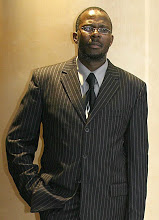
NKONZWENHLE MQADI
(OnguMbhali, uMcwaningi kanye noMhlaziyi wezindaba zePolitiki)
ETHEKWINI
Tuesday, August 11, 2009

EMPLOYMENT EQUITY BILL REQUIRES A ........
INDEPENDENT-ON-SATURDAY 17 October 1998
TRANSFORMATION has become a buzzword in our contemporary democracy. The question which then arises is: how do we transform a heterogeneous country like South Africa without fanning the flames of racial prejudice?
This noble process is characterised by considerable debate and discussion as various views are put forward regarding the achievement of a truer democracy.
How will the Employment Equity Bill help towards transforming our society by eliminating apartheid's legacy of inequality?
Both the supporters and the vocal detractors of the new Bill merit some audience.
To the previously disadvantaged communities, the Bill is seen as the most comprehensive anti-discriminatory piece of legislation in our new-found democracy.
It is the relevant practical framework to redress past discrimination in the work-place.
Liberal
To the opponents of the Bill, who are our very own liberal comrades, they condemn it as the reintroduction of the very draconian principles of the National Party government's apartheid and racial favouritism. But the fundamental questions raised by the Bill are very straight-forward.
Should the Government invoke racially-biased legislation and policy formulation in
"Employmen Equity Bill requires a longer view
Far from being inimical to democracy, the Employment Equity Bill seeks to promote equality at the work-place, argues NKONZO MQADI
favour of disadvantaged groups in order to heal the social and economic wounds of the past?
Does the Government need to threaten punitive measures to accelerate black advancement?
In South Africa's unique democracy, much must be focused on the State's democratisation.
Does transformation equal democracy?
Race-based legislation would prove very contentious. Racial divide is at the very root of economic inertia in South Africa. Two major race groups in South Africa are on a collision course.
The formal job market sector continues to be dominated by those who benefited the most under apartheid.
Nevertheless, it is in meir interest to join the struggle to eliminate the prevailing imbalances.
On the other hand, proponents of this Bill are convinced that it seeks to give those who were oppressed during the apartheid era opportunities of which they were deprived earlier. The Verwoerdian-style image of largely white males in cushy jobs and black people doing menial labour is still embedded in the workplace.
How does the Government go about with the so-called "levelling of the playing fields"?
Shortage
Quite a pathetic position is advanced by Dr Anthea Jeffrey of the South African lnstitute of Race Relations who argues that'"there is evidence that the most important constraint on black advancement is not race prejudice, but the shortage of black people with the necessary skills and experience".
Why were black people under-developed? Is it true that many whites benefited from job reservation under the Colour Bar Act?
Let che black-led ANC Government champion the bread-and-butter issues of the poorer of the poor. The Government must serve to uplift the social and economic conditions of the disadvantaged black people.
The anti-apartheid struggle for freedom were very much about access to socio-economic opportunities.
We must stop clouding the Bill in political rhetoric and emotive statements. We must look at the Bill in terms of South Africa's long-term economic prospects, not in terms of the delicate state of race relations.
Notwithstanding foreign investments, the Government of the day must stop the appeasement policy to the "captains of industry".
Mr Godfrey Ohphant, ANC MP and chairman of the Parliament Portfolio Committee on Labour, sums it up like this: "You cannot redress past injustices if you deny history The Bill, therefore, recognises groups in order to provide an effective framework to, among other things, de-racialiset our society "
As we attempt to redress the inequalities so prevalent in our wonderful Rainbow Nation, the Bill's detractors will tell you that the best way to address the apartheid legacy is to train and educate people to take up their rightful place in the economy
No advocate of equity other than Deputy President Thabo Mbeki, sums up this debate on transformation better: "If the real problem we face - of ending the legacy of the past - persists, it will not be because we are cursed with the gift of diversity".
Nkonzo Mqadi is a University of Durban-Westville political science graduate and is presently doing his second year LLB degree at that university.
TRANSFORMATION has become a buzzword in our contemporary democracy. The question which then arises is: how do we transform a heterogeneous country like South Africa without fanning the flames of racial prejudice?
This noble process is characterised by considerable debate and discussion as various views are put forward regarding the achievement of a truer democracy.
How will the Employment Equity Bill help towards transforming our society by eliminating apartheid's legacy of inequality?
Both the supporters and the vocal detractors of the new Bill merit some audience.
To the previously disadvantaged communities, the Bill is seen as the most comprehensive anti-discriminatory piece of legislation in our new-found democracy.
It is the relevant practical framework to redress past discrimination in the work-place.
Liberal
To the opponents of the Bill, who are our very own liberal comrades, they condemn it as the reintroduction of the very draconian principles of the National Party government's apartheid and racial favouritism. But the fundamental questions raised by the Bill are very straight-forward.
Should the Government invoke racially-biased legislation and policy formulation in
"Employmen Equity Bill requires a longer view
Far from being inimical to democracy, the Employment Equity Bill seeks to promote equality at the work-place, argues NKONZO MQADI
favour of disadvantaged groups in order to heal the social and economic wounds of the past?
Does the Government need to threaten punitive measures to accelerate black advancement?
In South Africa's unique democracy, much must be focused on the State's democratisation.
Does transformation equal democracy?
Race-based legislation would prove very contentious. Racial divide is at the very root of economic inertia in South Africa. Two major race groups in South Africa are on a collision course.
The formal job market sector continues to be dominated by those who benefited the most under apartheid.
Nevertheless, it is in meir interest to join the struggle to eliminate the prevailing imbalances.
On the other hand, proponents of this Bill are convinced that it seeks to give those who were oppressed during the apartheid era opportunities of which they were deprived earlier. The Verwoerdian-style image of largely white males in cushy jobs and black people doing menial labour is still embedded in the workplace.
How does the Government go about with the so-called "levelling of the playing fields"?
Shortage
Quite a pathetic position is advanced by Dr Anthea Jeffrey of the South African lnstitute of Race Relations who argues that'"there is evidence that the most important constraint on black advancement is not race prejudice, but the shortage of black people with the necessary skills and experience".
Why were black people under-developed? Is it true that many whites benefited from job reservation under the Colour Bar Act?
Let che black-led ANC Government champion the bread-and-butter issues of the poorer of the poor. The Government must serve to uplift the social and economic conditions of the disadvantaged black people.
The anti-apartheid struggle for freedom were very much about access to socio-economic opportunities.
We must stop clouding the Bill in political rhetoric and emotive statements. We must look at the Bill in terms of South Africa's long-term economic prospects, not in terms of the delicate state of race relations.
Notwithstanding foreign investments, the Government of the day must stop the appeasement policy to the "captains of industry".
Mr Godfrey Ohphant, ANC MP and chairman of the Parliament Portfolio Committee on Labour, sums it up like this: "You cannot redress past injustices if you deny history The Bill, therefore, recognises groups in order to provide an effective framework to, among other things, de-racialiset our society "
As we attempt to redress the inequalities so prevalent in our wonderful Rainbow Nation, the Bill's detractors will tell you that the best way to address the apartheid legacy is to train and educate people to take up their rightful place in the economy
No advocate of equity other than Deputy President Thabo Mbeki, sums up this debate on transformation better: "If the real problem we face - of ending the legacy of the past - persists, it will not be because we are cursed with the gift of diversity".
Nkonzo Mqadi is a University of Durban-Westville political science graduate and is presently doing his second year LLB degree at that university.
STUDENTS MUST LEARN TO HELP THEMSELVES
INDEPENDENT-ON-SATURDAY 24 April 1999
Would it not be a wonderful exercise, with the University ofDurban-Westville (UDW) pioneering it, for historically black institutions' student presentative councils (SRCs) to embark on a student fund-raising drive in the private sector?
Quite frankly one could not argue for a student fund-raising drive without any deeper and well-informed analysis of problems prevalent in historically black institutions (HBIs).
As a vocal student in the student governance structures, I cannot but understand it better.
Having been a student at the University of Durban-Westville for some time, it really pains one that each year one will be part of the student population at loggerheads with university authorities.
The previously underfunded institutions' student protests about fees as this does not only disrupt the academic programme but further tarnish the image of the institutions to potential private sector funders and the outside world.
It becomes even worse when such protest is characterised by intimidation of other segments of the student population and vandalism of property.
As each one of us is a partner in education, what role do students have to play through their respective SRCs?
Through the Tertiary ducation Fund of South Africa (TEFSA), the government has partially played its role, parents with their meagre salaries have taken s all the way to tertiary level.
We, as students, must stop lamenting the country's high
"Students must learn to help themselves. Poor students at tertiary institutions should be innovative in their search for solutions", suggests NKONZO MQADI
unemployment rate affecting our parents.
As a gesture of goodwill, let us meet our parents, the Government and university authorities half way.
Would it not be good to put into place a networking process with the outside world for our tertiary fund-raising?
While most people would agree with the institutions of higher learning that they could not afford to register students free of charge, what measures are being taken by the student population to ensure that fees are paid?
Students seem to be re-active in their approach towards addressing the question of tertiary education funding. The State funding through TEFSA has its own shortcoming because it only caters for academically successful students, who have some form of income at home.
To develop every aspect of students' need, our SRCs must convince all stakeholders in education that despite the odds militating against the attainment of higher education, the youth is very much committed to education.
SRCs as responsible leaders should go an extra mile in catering for the people who voted them into office. As future leaders of this country, SRCs must stop laying the blame with the Government and tertiary institutions' authorities.
In this representative democracy students, students as a vibrant constituency, should mandate the respective SRCs to galvanise all forces towards students' total development.
As a principle, HBIs' SRCs should adopt a programme of action which statels that, as we enter the next millennium, there will be no more academic disruptions pertaining to financial exclusions at the institutions.
It should be clear to every student that university authorities are the least interested in the personal development of the poor black student.
Let us, as a collective, push our intransigent management into a corner.
To realise this, SRCs have to act in concert with the respective convocations. Through the various bodies that fall under their auspices, SRCs must be used for fund-raising purposes. Through these, students could establish fheir own self-help projects. HBIs' SRCs should start by organising dinners and/or balls at least three times a year, inviting prominent speakers to deliver speeches about topical events.
Preferably, such speakers should be alma-maters of that institution.Tickets for such balls must be sold to the individuals as well as to corporations, with proceeds going to the SRCs' funds.
As a classic example, UDW, in particular, has its graduates occupying strategic positions in Government institutions and conglomerates.
UDW can invite Cabinet Ministers such as Mr Vali Moosa, Mr Jay Naidoo, Constitutional Court Judge Zac Yacoob, ANC Youth League president Mr Malusi Gigaba, National Youth Commission chairperson Miss Mahlengi Bhengu - the list of eminent people from this campus is endless.
SRCs need to remind these role models about the idea behind the fund-raising exercise. No appearance fees should be charged - it must come from the goodness of their hearts, giving back to the university community that contributed to what they are today.
University communities, you will bear my ignorance of the Universities Act. One does not agitate that SRCs must act ultra vires in bypassing the institutions' public affairs departments, whose specific function is to market the institutions to the outside world.
If students are committed to the paramount objective of acquiring a proper education without any academic disruptions, these proposals merit some critical digestion. The SRCs and the convocation can take the initiative and reduce the level of conflict at the respective institutions of higher learning.
Mr Nkonzo Mqadi is a political science graduate and a final-year LLB student.
Would it not be a wonderful exercise, with the University ofDurban-Westville (UDW) pioneering it, for historically black institutions' student presentative councils (SRCs) to embark on a student fund-raising drive in the private sector?
Quite frankly one could not argue for a student fund-raising drive without any deeper and well-informed analysis of problems prevalent in historically black institutions (HBIs).
As a vocal student in the student governance structures, I cannot but understand it better.
Having been a student at the University of Durban-Westville for some time, it really pains one that each year one will be part of the student population at loggerheads with university authorities.
The previously underfunded institutions' student protests about fees as this does not only disrupt the academic programme but further tarnish the image of the institutions to potential private sector funders and the outside world.
It becomes even worse when such protest is characterised by intimidation of other segments of the student population and vandalism of property.
As each one of us is a partner in education, what role do students have to play through their respective SRCs?
Through the Tertiary ducation Fund of South Africa (TEFSA), the government has partially played its role, parents with their meagre salaries have taken s all the way to tertiary level.
We, as students, must stop lamenting the country's high
"Students must learn to help themselves. Poor students at tertiary institutions should be innovative in their search for solutions", suggests NKONZO MQADI
unemployment rate affecting our parents.
As a gesture of goodwill, let us meet our parents, the Government and university authorities half way.
Would it not be good to put into place a networking process with the outside world for our tertiary fund-raising?
While most people would agree with the institutions of higher learning that they could not afford to register students free of charge, what measures are being taken by the student population to ensure that fees are paid?
Students seem to be re-active in their approach towards addressing the question of tertiary education funding. The State funding through TEFSA has its own shortcoming because it only caters for academically successful students, who have some form of income at home.
To develop every aspect of students' need, our SRCs must convince all stakeholders in education that despite the odds militating against the attainment of higher education, the youth is very much committed to education.
SRCs as responsible leaders should go an extra mile in catering for the people who voted them into office. As future leaders of this country, SRCs must stop laying the blame with the Government and tertiary institutions' authorities.
In this representative democracy students, students as a vibrant constituency, should mandate the respective SRCs to galvanise all forces towards students' total development.
As a principle, HBIs' SRCs should adopt a programme of action which statels that, as we enter the next millennium, there will be no more academic disruptions pertaining to financial exclusions at the institutions.
It should be clear to every student that university authorities are the least interested in the personal development of the poor black student.
Let us, as a collective, push our intransigent management into a corner.
To realise this, SRCs have to act in concert with the respective convocations. Through the various bodies that fall under their auspices, SRCs must be used for fund-raising purposes. Through these, students could establish fheir own self-help projects. HBIs' SRCs should start by organising dinners and/or balls at least three times a year, inviting prominent speakers to deliver speeches about topical events.
Preferably, such speakers should be alma-maters of that institution.Tickets for such balls must be sold to the individuals as well as to corporations, with proceeds going to the SRCs' funds.
As a classic example, UDW, in particular, has its graduates occupying strategic positions in Government institutions and conglomerates.
UDW can invite Cabinet Ministers such as Mr Vali Moosa, Mr Jay Naidoo, Constitutional Court Judge Zac Yacoob, ANC Youth League president Mr Malusi Gigaba, National Youth Commission chairperson Miss Mahlengi Bhengu - the list of eminent people from this campus is endless.
SRCs need to remind these role models about the idea behind the fund-raising exercise. No appearance fees should be charged - it must come from the goodness of their hearts, giving back to the university community that contributed to what they are today.
University communities, you will bear my ignorance of the Universities Act. One does not agitate that SRCs must act ultra vires in bypassing the institutions' public affairs departments, whose specific function is to market the institutions to the outside world.
If students are committed to the paramount objective of acquiring a proper education without any academic disruptions, these proposals merit some critical digestion. The SRCs and the convocation can take the initiative and reduce the level of conflict at the respective institutions of higher learning.
Mr Nkonzo Mqadi is a political science graduate and a final-year LLB student.
KUHLE UKUBA KHONA KWAMAQEMBU APHIKISAYO EPHALAMENDE
SISIKA KWELIJIKAYO NGOMSOMBULUKO ISOLEZWE August 19, 2002
ESIKHATHINI esingaphansi konyaka kusukela kule nyanga ikhomishana kaDokotela Frederick van zyl Slabbert izokhipha izincomo zohlelo nenqubo entsha yokuvota kuleli zwe ezoqala ukusebenza ngo-2004. Ngemuva kokhetho olwedlule lwango-1999 ngabe kukhona yini amaqembu kanye nabavoti abakufundile kule minyaka edlulile na?
Ezweni elibuswa ngentando yeningi njengeNingizimu Afrika lapho kunamaqembu alinganiselwa emashumini amabili avame ukukhankasela ukhetho, kuyajabhisa ukuthi kuneqembu elilodwa lezepolitiki elikwazi ukudla umhlanganiso okhethweni ngokwedlulele, okubizwa nge two-thirds majority.
Ngisho zona izincomo zekhomishana kaVan Zyi Slabbert azizukwenza mehluko uma amaqembu asephalamende engaphumi ngokuzinikela ayozidayisa emphakathini ukuze kube yiwo alwela ukubusa emiphakathini yaknleli zwe.
Ubuhle bukahulumani wentando yeningi wukuthi ngisho lona iqembu eiibusayo liyazi ukuthi kunezimbangi ezilibhekile kukho korfke elikwenzayo
futhi okwenza lihlale libusa ngokuyikho. Phela amaqembu aphikisayo namanye asephalamende analo ilungelo lokubaketula ababusayo okhethweni olulandelayo uma zingafezwanga izethembiso. Isibonelo nje lapha KwaZulu-Natal ngemuva komshikashika ngodaba lwendawo eyodwa yokuhlala kwephalamende, kuze kwasiza umholi weqembu elingabusi esifundazweni ophakamise uMgungundlovu, njengendawo
yesiShayamthetho. Nempela ngemuva kwevoti uMsunduzi ugcine udle umhlanganiso.
Kubantu akade vele bengadingi ukuba izindaba zabo zidingidwe oLundi ngezizathu ezehlukene lwasho lukhulu lelo voti. Lokhu kukhombisa amandla iqembu eliphikasayo elinawo kuhulumeni wentando
yeningi. Zolo lokhu sonke sizibonele inkantolo yoMthethosisekelo ihlalele ukulalela le mpicabadala yomthetho wokublubuka kwamalungu ephalamemende futhi angalahlekelwa yizihlalo zawo.
Nakuba amajaji engakasikhiphi isinqumo esingujuqu kulolu daba, kodwa sesivelile isithombe sokuthi osopolitiki bahlose ukuhlubukela eqenjini elilodwa okuyilo elibusayo.
baholi abaqavile njengoMntwana Mangosuthu Buthelezi ohola iNkatha Freedom Party sebezwakalise ukukhononda ngokuba khona kweqembu elikhulu, elineningi ngokuvelele ephalamende. Phela yonke imithetho yasephalamende iqale idingidwe, ivotelwe ngobuningi beqembu ephalamende bese-ke iyaphasiswa.
Amaqembu angenalo iningi ephalamende ayohlala njalo ekhala ngaphansi ngokwevoti.
Uma ngabe wonke amaqembu ezepolitiki abesebenze ngokuyikho okhethweni olwedlule kungabe akukho lapho abaholi bekhala khona ngokuthi iqembu eiibusayo liphasisa imithetho engalungile ngoba ligabe ngokuthi vele uma sewuvotelwa umthetho lowo lizodla umhlanganiso ngoba limelwe ngokuvelele ngamalungu ephalamende. Uma amaqembu epolitiki ewenza ngokuyikho umsebenzi wokukhankasela ukhetho leli zwe lingagcina linohulumeni omelwe ngokulinganayo obusa ngokuhlanganyela. Lokho kungasiza ukuba yonke inqubo yokubusa iphathwe ngamaqembu amabili noma ngaphezulu ngokulinganayo.
Ngisho sekuphasiswe uhlobo olusha futhi olwehlukile kulolu olukhona njengamanje uma labo sopolitiki bengakazimiseli ukwenza okwehlukile kunokwenziwa yiqembu eiibusayo akukhombisi ukuthi kuzoba noshintsho kwipolitiki yakuleli zwe.
Iphalamende elikhulu eKapa kuke kwasuka lumzukuzuku omkhulu ngodaba lokuthengwa kwezikhali zezwe. Umholi wesifazane weqembu elingabusi iPan Africanist Congress uPatricia de Lilie, wavumbulula ukuthi kukhona okushaya amanzi ekusetshenzisweni kwezimali kulolu daba.
Kuyimanje abanye abaholi abaqavile beqembu lezepolitiki njengowayenguSotswebhu uTony Yengeni baphoqeleka ukushiya ezikhundleni futhbabhekene namacala omgunyatni ezinkantolo. Phezu kwakko konke lokhu abantu abaningi ezweni bakhononda ngokuthi uhulumeni obusayo awenzi lutho futhi awubanakile, bafa nsukuzonke bejuqwa ngumashayabhuqe wengculazi. Phela usizo lokwelapha abantu abampofu kulesi sifo lusezandieni zenqubomgomo yeqembu eiibusayo.
Ngikhulumisana nemiphakathi ezindaweni zasemakhaya, imiphakathi idinga kulungiswe udaba lokubambisana kwamakhosi endabuko abawakhele kanye namakhansela omasipala abawavotela. Uma sekukhona uhlelo lokubambisana olubonakalayo kulezi zinhlaka zokubusa, intuthuko namathuba emisebenzi ngeke aphazanyiswe ngokuthi wubani onelungelo lokuthuthukisa lezi zindawo.
Njengoba leli zwe lingene shi emshikashikeni wokushintsha isimo sokuphila umuntu nomuntu, wonke amaqembu ezepolitiki uma eseqala umshikashika (wokukhankasela ukhetho) wokuzicijela ukubusa leli zwe kufanele azinikele ukuvotelwa ukubusa, hhayi ukubalwa namaqembu asePhalamende nje.
ESIKHATHINI esingaphansi konyaka kusukela kule nyanga ikhomishana kaDokotela Frederick van zyl Slabbert izokhipha izincomo zohlelo nenqubo entsha yokuvota kuleli zwe ezoqala ukusebenza ngo-2004. Ngemuva kokhetho olwedlule lwango-1999 ngabe kukhona yini amaqembu kanye nabavoti abakufundile kule minyaka edlulile na?
Ezweni elibuswa ngentando yeningi njengeNingizimu Afrika lapho kunamaqembu alinganiselwa emashumini amabili avame ukukhankasela ukhetho, kuyajabhisa ukuthi kuneqembu elilodwa lezepolitiki elikwazi ukudla umhlanganiso okhethweni ngokwedlulele, okubizwa nge two-thirds majority.
Ngisho zona izincomo zekhomishana kaVan Zyi Slabbert azizukwenza mehluko uma amaqembu asephalamende engaphumi ngokuzinikela ayozidayisa emphakathini ukuze kube yiwo alwela ukubusa emiphakathini yaknleli zwe.
Ubuhle bukahulumani wentando yeningi wukuthi ngisho lona iqembu eiibusayo liyazi ukuthi kunezimbangi ezilibhekile kukho korfke elikwenzayo
futhi okwenza lihlale libusa ngokuyikho. Phela amaqembu aphikisayo namanye asephalamende analo ilungelo lokubaketula ababusayo okhethweni olulandelayo uma zingafezwanga izethembiso. Isibonelo nje lapha KwaZulu-Natal ngemuva komshikashika ngodaba lwendawo eyodwa yokuhlala kwephalamende, kuze kwasiza umholi weqembu elingabusi esifundazweni ophakamise uMgungundlovu, njengendawo
yesiShayamthetho. Nempela ngemuva kwevoti uMsunduzi ugcine udle umhlanganiso.
Kubantu akade vele bengadingi ukuba izindaba zabo zidingidwe oLundi ngezizathu ezehlukene lwasho lukhulu lelo voti. Lokhu kukhombisa amandla iqembu eliphikasayo elinawo kuhulumeni wentando
yeningi. Zolo lokhu sonke sizibonele inkantolo yoMthethosisekelo ihlalele ukulalela le mpicabadala yomthetho wokublubuka kwamalungu ephalamemende futhi angalahlekelwa yizihlalo zawo.
Nakuba amajaji engakasikhiphi isinqumo esingujuqu kulolu daba, kodwa sesivelile isithombe sokuthi osopolitiki bahlose ukuhlubukela eqenjini elilodwa okuyilo elibusayo.
baholi abaqavile njengoMntwana Mangosuthu Buthelezi ohola iNkatha Freedom Party sebezwakalise ukukhononda ngokuba khona kweqembu elikhulu, elineningi ngokuvelele ephalamende. Phela yonke imithetho yasephalamende iqale idingidwe, ivotelwe ngobuningi beqembu ephalamende bese-ke iyaphasiswa.
Amaqembu angenalo iningi ephalamende ayohlala njalo ekhala ngaphansi ngokwevoti.
Uma ngabe wonke amaqembu ezepolitiki abesebenze ngokuyikho okhethweni olwedlule kungabe akukho lapho abaholi bekhala khona ngokuthi iqembu eiibusayo liphasisa imithetho engalungile ngoba ligabe ngokuthi vele uma sewuvotelwa umthetho lowo lizodla umhlanganiso ngoba limelwe ngokuvelele ngamalungu ephalamende. Uma amaqembu epolitiki ewenza ngokuyikho umsebenzi wokukhankasela ukhetho leli zwe lingagcina linohulumeni omelwe ngokulinganayo obusa ngokuhlanganyela. Lokho kungasiza ukuba yonke inqubo yokubusa iphathwe ngamaqembu amabili noma ngaphezulu ngokulinganayo.
Ngisho sekuphasiswe uhlobo olusha futhi olwehlukile kulolu olukhona njengamanje uma labo sopolitiki bengakazimiseli ukwenza okwehlukile kunokwenziwa yiqembu eiibusayo akukhombisi ukuthi kuzoba noshintsho kwipolitiki yakuleli zwe.
Iphalamende elikhulu eKapa kuke kwasuka lumzukuzuku omkhulu ngodaba lokuthengwa kwezikhali zezwe. Umholi wesifazane weqembu elingabusi iPan Africanist Congress uPatricia de Lilie, wavumbulula ukuthi kukhona okushaya amanzi ekusetshenzisweni kwezimali kulolu daba.
Kuyimanje abanye abaholi abaqavile beqembu lezepolitiki njengowayenguSotswebhu uTony Yengeni baphoqeleka ukushiya ezikhundleni futhbabhekene namacala omgunyatni ezinkantolo. Phezu kwakko konke lokhu abantu abaningi ezweni bakhononda ngokuthi uhulumeni obusayo awenzi lutho futhi awubanakile, bafa nsukuzonke bejuqwa ngumashayabhuqe wengculazi. Phela usizo lokwelapha abantu abampofu kulesi sifo lusezandieni zenqubomgomo yeqembu eiibusayo.
Ngikhulumisana nemiphakathi ezindaweni zasemakhaya, imiphakathi idinga kulungiswe udaba lokubambisana kwamakhosi endabuko abawakhele kanye namakhansela omasipala abawavotela. Uma sekukhona uhlelo lokubambisana olubonakalayo kulezi zinhlaka zokubusa, intuthuko namathuba emisebenzi ngeke aphazanyiswe ngokuthi wubani onelungelo lokuthuthukisa lezi zindawo.
Njengoba leli zwe lingene shi emshikashikeni wokushintsha isimo sokuphila umuntu nomuntu, wonke amaqembu ezepolitiki uma eseqala umshikashika (wokukhankasela ukhetho) wokuzicijela ukubusa leli zwe kufanele azinikele ukuvotelwa ukubusa, hhayi ukubalwa namaqembu asePhalamende nje.
A MULTI-SECTORAL KZN FRONT TO TACKLE GLOBAL RECESSION
KwaZulu-Natal roleplayers in government, private sector, labour front, academics and the wider civil society have committed themselves during an economic recovery and job development summit and agreed to partner each other in the formation of the KwaZulu-Natal Economic Development Advisory Council (KZNEDAC),says MEC for Economic Development and Tourism.
Michael Mabuyakhulu said this at the close of the two-day summit held at Sibaya Casino, Ballito over the weekend. He conceeded that in the wake of the negative impact felt in the province due to the global economic crisis, it became imperative that an all-embracing intervention was initiated.to
"We've embarked on a new social partnership, and we want to make a humble contribution that will help South Africa tackle the global economic recession and speed up our economic recovery.
KZN government leaders, influential business people, labour movement leaders, academics and the civil society activists were brought together to table their views as we define our own economic recovery.
Every stakeholder in the province contributed in the two-day Economic Recovery and Jobs Development summit" outlined Mabuyakhulu.
From KZN Premier Dr Zweli Mkhize, eThekwini Mayor Obed Mlaba, SA's Economic Development Minister Ebrahim Patel, Durban Chamber of Business President Clive Manci, Tourism KZN CEO Ndabo Khoza, Business Unity South Africa CEO Jerry Vilakazi, to Cosatu KZN Secretary Zet Luzipho, and may more eminent persons reached consensus on the establishment of the KZNEDAC.
"We do not have a choice, we need a strong social cohesion more than ever because of the negative impact of the global credit crisis whereby the lower income groups and the poor are the hardest hit.
Through this summit we show a committment to change and to turn the crisis into an opportunity, we know it is now business unussual and we have to do things and start to prioritize people's development" said DCC's Manci.
eThekwini Mayor Obed Mlaba reminded the delegates of the world-renowned Marshal Plan which Germany and Japan had adopted to resuscitate their economy recovery plans after the second World War, and he argued that South Africa do not only need to stimulate her economy as a response to the global financial meltdown but must structure her economic policies on a long-term growth path.
And Cosatu's Zet Luzipho commended the formation of the KZNEDAC highly by saying labour views will now be tabled and heard more clearly in KZN as it will give them a proper platform 'to air serious shopfloor challenges that were faced by ordinary workers daily during the global economic recession'.
Michael Mabuyakhulu said this at the close of the two-day summit held at Sibaya Casino, Ballito over the weekend. He conceeded that in the wake of the negative impact felt in the province due to the global economic crisis, it became imperative that an all-embracing intervention was initiated.to
"We've embarked on a new social partnership, and we want to make a humble contribution that will help South Africa tackle the global economic recession and speed up our economic recovery.
KZN government leaders, influential business people, labour movement leaders, academics and the civil society activists were brought together to table their views as we define our own economic recovery.
Every stakeholder in the province contributed in the two-day Economic Recovery and Jobs Development summit" outlined Mabuyakhulu.
From KZN Premier Dr Zweli Mkhize, eThekwini Mayor Obed Mlaba, SA's Economic Development Minister Ebrahim Patel, Durban Chamber of Business President Clive Manci, Tourism KZN CEO Ndabo Khoza, Business Unity South Africa CEO Jerry Vilakazi, to Cosatu KZN Secretary Zet Luzipho, and may more eminent persons reached consensus on the establishment of the KZNEDAC.
"We do not have a choice, we need a strong social cohesion more than ever because of the negative impact of the global credit crisis whereby the lower income groups and the poor are the hardest hit.
Through this summit we show a committment to change and to turn the crisis into an opportunity, we know it is now business unussual and we have to do things and start to prioritize people's development" said DCC's Manci.
eThekwini Mayor Obed Mlaba reminded the delegates of the world-renowned Marshal Plan which Germany and Japan had adopted to resuscitate their economy recovery plans after the second World War, and he argued that South Africa do not only need to stimulate her economy as a response to the global financial meltdown but must structure her economic policies on a long-term growth path.
And Cosatu's Zet Luzipho commended the formation of the KZNEDAC highly by saying labour views will now be tabled and heard more clearly in KZN as it will give them a proper platform 'to air serious shopfloor challenges that were faced by ordinary workers daily during the global economic recession'.
Monday, August 10, 2009
MARRIED MEN LIVE LONGER THAN SINGLE MEN,BUT .......
"Married men live longer than single men, but, married men are a lot more willing to die" once remarked an anonymous writer.
One is tempted to touch on this subject over this weekend as we all celebrate the beauty, honour and dignity that our African women have exhibited for the entire global village to witness during the second millenium.
However, a pertinent question arises whether be they young, old or mature have the members of 'fairer sex' truly found happiness in their personal lives?
One eminent scholar wrote "No Woman-especially one who's succesful and independent- wants to be thought/seen of as desperate for love.
But, if you're 30 years and over, and have a graveyard of failed relationships behind you, you should by now understand; 'Love isn't Easy' ".
'LadyFriends', you're implored to read "Act Like a Lady, Think Like a Man" by Steve Harvey.
Harvey's advise is the following: 'only get involved with a man with the qualities you are looking for, suss out his intentions with vigorous, but subtle, interrogation before falling in love, wait at least 90 days before sleeping with him; and when you are comfortable with the fact that he can handle your cherups and is doing the three 'Ps' (i.e Protecting, Providing and Professing) marry him.
On page 201, Harvey gives a trick to every single woman about how to get that "Will you M...?"
It is not to ask him to marry you {Men are hunters and they like the chase}. You first need to tell him what he must do with you once he's caught you".
Harvey also got tips for the 'Woman who has it all' ; the drop-top BMW X5, Ferrari,Cayenne, the BEE tenders, the expensive jewelery and the proud tenant of that upmarket bond in the leafy surburb but goes to an empty home alone daily.
"You are not alone because men are afraid of your independence and wealth. You're alone because you do not know how to act like a well-nurtured girl" he cautions.
Latsly, but not least, there's also that life-enhancing book penned by Dr Connel Cowan and Dr Melvyn Kinder which outlines the man's behaviour in relationships.
Fellow sisters, or rather single women, page through the timeless "Women Men Love, Women Men Leave" whereby one submits it will benefit all those women that spend tremendous amount of their precious time over-analysing the 'man-in-love' motives, or say 'their hidden agenda' if ever one exists.
One is tempted to touch on this subject over this weekend as we all celebrate the beauty, honour and dignity that our African women have exhibited for the entire global village to witness during the second millenium.
However, a pertinent question arises whether be they young, old or mature have the members of 'fairer sex' truly found happiness in their personal lives?
One eminent scholar wrote "No Woman-especially one who's succesful and independent- wants to be thought/seen of as desperate for love.
But, if you're 30 years and over, and have a graveyard of failed relationships behind you, you should by now understand; 'Love isn't Easy' ".
'LadyFriends', you're implored to read "Act Like a Lady, Think Like a Man" by Steve Harvey.
Harvey's advise is the following: 'only get involved with a man with the qualities you are looking for, suss out his intentions with vigorous, but subtle, interrogation before falling in love, wait at least 90 days before sleeping with him; and when you are comfortable with the fact that he can handle your cherups and is doing the three 'Ps' (i.e Protecting, Providing and Professing) marry him.
On page 201, Harvey gives a trick to every single woman about how to get that "Will you M...?"
It is not to ask him to marry you {Men are hunters and they like the chase}. You first need to tell him what he must do with you once he's caught you".
Harvey also got tips for the 'Woman who has it all' ; the drop-top BMW X5, Ferrari,Cayenne, the BEE tenders, the expensive jewelery and the proud tenant of that upmarket bond in the leafy surburb but goes to an empty home alone daily.
"You are not alone because men are afraid of your independence and wealth. You're alone because you do not know how to act like a well-nurtured girl" he cautions.
Latsly, but not least, there's also that life-enhancing book penned by Dr Connel Cowan and Dr Melvyn Kinder which outlines the man's behaviour in relationships.
Fellow sisters, or rather single women, page through the timeless "Women Men Love, Women Men Leave" whereby one submits it will benefit all those women that spend tremendous amount of their precious time over-analysing the 'man-in-love' motives, or say 'their hidden agenda' if ever one exists.
AMAKHOSI & CONSTITUTIONAL DEMOCRACY IN SA
DAILY NEWS, 23 October 2000
AMAKHOSI: THE MODERN AND TRADITIONAL MUST COMBINE
S0 simple and so basic is purpose of this argument that its very first quote must serve as a warning about ubukhosi from our north. During the reconstruction and constitutional development of Zambia, Mr Kenneth Kaunda had this to say: "My support for chiefs is well known, and I reaffirm that it will be the intention of my government to uphold the position of chiefs in our country and to consult them and seek their advice on all matters affecting their people and themselves."
Before delving deeper into my argument, I deem it fit to declare my credentials at this stage. This will help illuminate the rationale that one can owe allegiance to traditional principles, values, etc, yet not be construed as a conservative.
I regard myself at heart as a truly modern-day democrat.
Having personally made written comments to the Draft Discussion Document towards a White Paper on Traditional Leadership, it really pains me to witness that the Government is again on a collision course with hundreds of KwaZulu-Natal amakhosi over the coming local government elections.
This scenario follows the demarcation of boundaries by the Municipal Demarcation Board. There is even talk that people in rural/traditional areas will not participate in the local government elections at the end of the year.
While one can never espouse the idea that the chiefs should mount a massive show of force nationwide as a means of pressuring the Government to give amakhosi more powers, our Bill of Rights as citizens looks threatened.
Having had time to study the Government's response to the submissions by traditional leaders on their roles, powers and functions signed by the president on August 28, this subject becomes quite mind-boggling.
ONE WOULD have dismissed this democratically-elected Government as doing exactly what the colonial and apartheid regimes did to traditional leaders, reducing the amakhosi to ordinary people.
Surprisingly to my understanding, the opposite is true. The Government proposals state categorically that traditional leaders will, in line with the relevant law, continue to discharge the authority currently vested in them.
The principles of co-operative governance will continue to guide the role of traditional leaders in matters of governance and ensure
[Photo]
"The existing consttutionalframework that . provides for a dual system of the retention of traditional leadership is the best innovation of our hard-won democracy"
that they are accorded an appropriate role within the inter-governmental relations structures.
It is precisely at this juncture that the Government Communications and Information System (GCIS) should be discharging its mandate as the Government communications agency.
The causes of uncertainty conflict and polarisation around the local government elections in rural areas, which touches on the delimitation of wards and where traditional authority areas have been sub divided, must be placed entirely at the door of the Municipal Demarcation Board (MDB).
FAIR ENOUGH, the Government proposals leave an option for the MDB to reassess the situation.
The White Paper, as an on-going process, must not remove ubukhosi (chieftaincy) from where it historically and structurally resides.
This viewpoint has prompted Inkosi Mwelo Nonkonyana, in Contralesa's presentation, to reiterate that, contrary to popular belief, traditional leadership was and still is the most democratic institution forming a solid foundation for stability in all traditional communities.
As we chart the way forth as tried and tested democrats, we must not lose sight in trying to remedy the distortions allocated to traditional leaders by colonial and apartheid eras. We must address the challenges facing the rural communities in terms of social communalism in the shared ownership of land.
The traditional system of government is quite compatible with the extension of a constitutional democracy to the rural communities.
Contemporary constitutional developments dictate democratically-elected government representatives in governance, and yet our African democracy militates for a transformed traditional ruling system.
As I have pointed cut in the past, traditional leaders and their councils of elders are regarded as catalysts of community consensus, rather than the actual decision-makers.
The wider civil society needs education about the simultaneous role to be played by both traditional leaders and the elected local councillors.
For any meaningful development to take place in rural areas, it is imperative that the Government embarks on a training programme to provide leadership or managerial skills to the amakhosi.
The existing constitutional framework that provides for a dual system of the retention of tradi-tional leadership, while at the same time allowing local communities to elect their public representatives, is the best innovation of our hard-won democracy
□ Mr Nkonzo Mqadi is a KwaZulu-Natal provincial administrator for the Electoral Institute of Southern Africa and writes in his personal capacity.
-------------------------------------------&&&&&&&&&&&&&&&&-----------------------
DAILY NEWS ,21 June 2000
[Photo] NO DEMOCRACY WITHOUT OUR AFRICAN ROOTS
It is essential that traditional leadership becomes part of the overall formula of development in our country, writes Nkonzo Mqadi.
IN HIS clairvoyant article, "Transitions to Democracy: Toward a Dynamic Model", Dankwat A Rustow questioned the conflation of the primary causes and sustaining conditions of democracy and democratisation.
With South Africa's "so-called 1994 miracle" now approaching a decade down the line, is anyone really committed to the consolidation of our democracy?
Are the factors that initiated our democratisation the same as those that maintain a democracy once established.
My somewhat different curiosity about our democracy stems from the scholarly debate by thinkers from Locke to Tocqueville, up to the fevered brain of Jean Jacques Rousseau, as they give devergent answers about the consolidation of democracy Nearly all the authors ask the same sort of question and support their answers with the same sort of evidence. What conditions'make democracy possible and what conditions make it thrive? The question is not how a democratic system cctaies into existence: rather, it is how'a democracy assumed to be already in existence, can best preserve or enhance its health and stability These eminent thinkers connect stable democracy with certain economic and social background conditions, such as high per capita income, widespread literacy and prevalent urban residence. But in our South African context, I will argue democracy must be combined with a strong local government, particularly in the rural areas falling under amakhosi rule, with a vibrant multiparty system, with a vigorous tradition of civil rights, and with a sustainable culture of the freedom of expression by the government leaders, mass media personnel and the wider civil society.
WITH THE country having taken great strides ha terms of establishing social, economic and civil liberties, through the numerous legislation enacted for the final phase of our consolidation of democracy (ie 2000 municipal local government elections) our democracy should be stable, if not perfect, by now.
Could the amakhosi vs Government quagmire be resolved once and for all? That will help ingrain to every South African, irrespective of their geographical location, a uniform democratic behaviour, thoughts, principles and values for a South Africa that belongs to all who live in it.
As I have pointed out in the past, the traditional leaders and their councils of elders are regarded as catalysts of community consensus, rather than the actual decision-makers.
As a country; the message is sound and clear: we must forget
"We need the best of both worlds and to draw on the royal wisdom and experience that is closely bound to the very communities we hope to transform".
Njongonkulu Ndungane
about any consolidation to a fully-matured democracy, for there can be no African democracy which is not structured in our indigenous African roots.
The South African political leadership will always bear gratitude in their handling of our ongoing transition to democracy u Having acknowledged the tragedy and horrors of the black-on-black conflict, our leadership must realise that the country requires a visible and constant co-operation between the previously warring factions.
The South African civic society is" very committed to developing a truly modern and yet truly African state. We need to mix modernity with our traditions, and recognise the role which each can bring to the consolidation of our democracy Having argued authoritatively before, ubukhosi (chieftaincy) must not be removed from where it historically and structurally resides. The primary and dominant location and fount of traditional Africa is the African"village, the rural areas or the countryside.
ONE SCHOLAR, WEB du Bois, identified the African village as one of Africa's precious gifts to humanity I quote: "In the African village we bred religion, industry, government, education and art, and these were bred as integral inter-related things"
(WEB du Bois, The WEB du Bois Reader, 1966, p. 649).
Other civilisations boast of precious knowledge and culture that developed in the cities. But in the continent, all these gifts were moulded and developed in the African village.
The major challenge to the political leadership is now to revitalise and turn such civilisation and culture into a springboard for new development and growth.
Royalty and elected leaders should be working together against the many challenges facing our people. In rural areas, this is the mighty challenge before traditional leaders.
Contrary to the threats of halting material service delivery to their communities, our democracy demands a strong local government throughout South Africa.
It is essential that traditional leadership becomes part of the overall formula of development in our country.
The principles of cooperative governance must continue to guide the role of traditional leaders, so as to avoid their clashing with those of the newly-established municipalities.
Anglican Archbishop Njongonkulu Ndungane recently warned our political leadership: "... as we embrace the best Eurocentric systems of government, we are in dire danger of ignoring our own proud heritage.We need the best of both worlds and to draw on the royal wisdom and experience that is closely bound to the very communities we hope to transform."
These rumblings about the role of the traditional leaders must be put clearly into perceptive. The existing constitutional framework that provides for a dual system of the retention of traditional leadership working hand-in-hand with elected councillors, is the',best innovation of our hard-won democracy.
Mr Nkonzo Mqadi is a Durban-based freelance journalist. [Photo]
----------------------------------&&&&&&&&&&&&&&&-------------------------------
DAILY NEWS, 04 September 2000
DON'T STRIP AMAKHOSI OF TOO MANY POWERS
It is vital that the role of traditional leaders in local government is retained as part of the contemporary constitutional democratic framework, argues Nkonzo Mqadi.
WE MUST restructure the framework of government for traditional leaders and local, elected government to develop a harmonious working relationship.
Traditional leadership raises issues that reflect the social complexities of South Africa: the existence of different nations, a plurality of systems, a plurality of models of societal organisation, the diversity in land tenure systems, etc.
The Municipal Demarcation Board has touched on the sensitive issue of land. Traditional issues are central to traditional leadership. It is also central to the cultural and social equilibria of the new South Africa.
The shared ownership of land is the basis of social communalism, the culture of Uburtu and the sense of social solidarity.
Traditional leadership, as the earliest form of societal organisation, represents the institution of government in Africa, and the world at large.
In contemporary politics, how can this concept be compatible to our so-called "African Democracy"?
As we unravel the role and relationship between traditional, leaders and elected local government, we must not forget that there are laws that established a system of local government that placed traditional leaders at the centre of a bureaucratic system of governance. There must be an open, consultative and accessible arena for participation at grassroots level.
Draft discussion towards the White Paper's proposal of a co-operative model of rural local government, whereby elected local government representatives in areas falling under traditional leadership act in concert with the traditional leaders, must be viewed as the best method of constitutional democracy.
Focus is needed on the developmental need of communities through self-government, the training of the elected local government representatives and the re-orientation or workshopping of amakhosi to be fully conversant with the new democratic order.
There is a need for the creation of a code that will allow the conduct of the previously antagonistic structures to work for the total good.
AS A PEOPLE, we must address the improvement of service delivery with a specific focus on areas where no services have been established, with direct involvement of communities in the decision-making process at local level.
This could be realised through a third-tier level of governance. The Municipal Structures Act categorically states that the delimitation of wards must guard against the fragmentation of rural communities. While the Municipal Demarcation Board argues that there was broad consultation around the demarcation and the restructuring process, at grassroots level amakhosi feel the Government is stripping them of virtually all their powers.
From time immemorial, traditional rule was the most democratic rule in Africa. In rural areas the supreme governing body was, and still is, a gathering of the community in a forum known as an imbizo.
During these gatherings, the community discussed all matters pertaining to their well-being under the chairmanship of an inkosi. Traditional leadership's administrative capacity as an engine of governance is seen during the allocation of land. A standard procedure is followed (people point out the land they want, they are referred to an induna, the induna convenes a public meeting of all residents of feat particular ward or locality There the person introduces him or herself and is given the plot to utilise for his/her benefit. The induna then brings fee person to the inkosi for approval).
In defining the locality of traditional leadership, fee White Paper must not remove the ubukhosi (chieftainship) from where it historically and structurally resides.
TRADITIONAL LEADERS and their councils of elders are regarded as catalysts of community consensus rather than fee actual decision-makers. The wider civil society needs education about fee simultaneous role to be played by both traditional leaders and elected local councillors.
For any meaningful development to take place in rural areas, it is imperative that the Government embarks on training programmes to provide leadership or managerial skills. We must guard against building a uniform grand society shaped in fee Westernised fashion.
We need to create a formula of a truly modern, yet truly African, state. The role and functions of statutory bodies representing traditional leaders in advising fee Government on matters affecting traditional leadership, traditional communities and customary law must not be radically changed, but must be brought in line with the prevailing political scene. As local government takes some powers from traditional leadership, fee White Paper must ascertain feat amakhosi do not feel threatened.
As custodians of their people, amakhosi are entrusted wife fee duty of looking at fee welfare of fee people, by providing land, protection, and acting as a conflict-resolution mechanism among their subjects. When a rural development budget is worked out, the local, elected government, amakhosi and the council of elders must sit and engage in fee process. Traditional leadership and elected local councillors must be part and parcel-of fee whole exercise.
This new model of co-operative governance must be structured in a manner in which councillors and amakhosi do not feel threatened.
It is my view that a traditional leader is an integral part of fee community and, as such, can never be wished away. It is physically impossible to separate fee inkosi from the people. A traditional leader is the leader of fee people and should, at all times act in consultation with his/her subjects, the people.
Mr Nkonzo Mqadi is writing in his personal capacity as a stakeholder in South Africa's constitutional development.
-----------------------------------""""""""------------------------------------------
AMAKHOSI: THE MODERN AND TRADITIONAL MUST COMBINE
S0 simple and so basic is purpose of this argument that its very first quote must serve as a warning about ubukhosi from our north. During the reconstruction and constitutional development of Zambia, Mr Kenneth Kaunda had this to say: "My support for chiefs is well known, and I reaffirm that it will be the intention of my government to uphold the position of chiefs in our country and to consult them and seek their advice on all matters affecting their people and themselves."
Before delving deeper into my argument, I deem it fit to declare my credentials at this stage. This will help illuminate the rationale that one can owe allegiance to traditional principles, values, etc, yet not be construed as a conservative.
I regard myself at heart as a truly modern-day democrat.
Having personally made written comments to the Draft Discussion Document towards a White Paper on Traditional Leadership, it really pains me to witness that the Government is again on a collision course with hundreds of KwaZulu-Natal amakhosi over the coming local government elections.
This scenario follows the demarcation of boundaries by the Municipal Demarcation Board. There is even talk that people in rural/traditional areas will not participate in the local government elections at the end of the year.
While one can never espouse the idea that the chiefs should mount a massive show of force nationwide as a means of pressuring the Government to give amakhosi more powers, our Bill of Rights as citizens looks threatened.
Having had time to study the Government's response to the submissions by traditional leaders on their roles, powers and functions signed by the president on August 28, this subject becomes quite mind-boggling.
ONE WOULD have dismissed this democratically-elected Government as doing exactly what the colonial and apartheid regimes did to traditional leaders, reducing the amakhosi to ordinary people.
Surprisingly to my understanding, the opposite is true. The Government proposals state categorically that traditional leaders will, in line with the relevant law, continue to discharge the authority currently vested in them.
The principles of co-operative governance will continue to guide the role of traditional leaders in matters of governance and ensure
[Photo]
"The existing consttutionalframework that . provides for a dual system of the retention of traditional leadership is the best innovation of our hard-won democracy"
that they are accorded an appropriate role within the inter-governmental relations structures.
It is precisely at this juncture that the Government Communications and Information System (GCIS) should be discharging its mandate as the Government communications agency.
The causes of uncertainty conflict and polarisation around the local government elections in rural areas, which touches on the delimitation of wards and where traditional authority areas have been sub divided, must be placed entirely at the door of the Municipal Demarcation Board (MDB).
FAIR ENOUGH, the Government proposals leave an option for the MDB to reassess the situation.
The White Paper, as an on-going process, must not remove ubukhosi (chieftaincy) from where it historically and structurally resides.
This viewpoint has prompted Inkosi Mwelo Nonkonyana, in Contralesa's presentation, to reiterate that, contrary to popular belief, traditional leadership was and still is the most democratic institution forming a solid foundation for stability in all traditional communities.
As we chart the way forth as tried and tested democrats, we must not lose sight in trying to remedy the distortions allocated to traditional leaders by colonial and apartheid eras. We must address the challenges facing the rural communities in terms of social communalism in the shared ownership of land.
The traditional system of government is quite compatible with the extension of a constitutional democracy to the rural communities.
Contemporary constitutional developments dictate democratically-elected government representatives in governance, and yet our African democracy militates for a transformed traditional ruling system.
As I have pointed cut in the past, traditional leaders and their councils of elders are regarded as catalysts of community consensus, rather than the actual decision-makers.
The wider civil society needs education about the simultaneous role to be played by both traditional leaders and the elected local councillors.
For any meaningful development to take place in rural areas, it is imperative that the Government embarks on a training programme to provide leadership or managerial skills to the amakhosi.
The existing constitutional framework that provides for a dual system of the retention of tradi-tional leadership, while at the same time allowing local communities to elect their public representatives, is the best innovation of our hard-won democracy
□ Mr Nkonzo Mqadi is a KwaZulu-Natal provincial administrator for the Electoral Institute of Southern Africa and writes in his personal capacity.
-------------------------------------------&&&&&&&&&&&&&&&&-----------------------
DAILY NEWS ,21 June 2000
[Photo] NO DEMOCRACY WITHOUT OUR AFRICAN ROOTS
It is essential that traditional leadership becomes part of the overall formula of development in our country, writes Nkonzo Mqadi.
IN HIS clairvoyant article, "Transitions to Democracy: Toward a Dynamic Model", Dankwat A Rustow questioned the conflation of the primary causes and sustaining conditions of democracy and democratisation.
With South Africa's "so-called 1994 miracle" now approaching a decade down the line, is anyone really committed to the consolidation of our democracy?
Are the factors that initiated our democratisation the same as those that maintain a democracy once established.
My somewhat different curiosity about our democracy stems from the scholarly debate by thinkers from Locke to Tocqueville, up to the fevered brain of Jean Jacques Rousseau, as they give devergent answers about the consolidation of democracy Nearly all the authors ask the same sort of question and support their answers with the same sort of evidence. What conditions'make democracy possible and what conditions make it thrive? The question is not how a democratic system cctaies into existence: rather, it is how'a democracy assumed to be already in existence, can best preserve or enhance its health and stability These eminent thinkers connect stable democracy with certain economic and social background conditions, such as high per capita income, widespread literacy and prevalent urban residence. But in our South African context, I will argue democracy must be combined with a strong local government, particularly in the rural areas falling under amakhosi rule, with a vibrant multiparty system, with a vigorous tradition of civil rights, and with a sustainable culture of the freedom of expression by the government leaders, mass media personnel and the wider civil society.
WITH THE country having taken great strides ha terms of establishing social, economic and civil liberties, through the numerous legislation enacted for the final phase of our consolidation of democracy (ie 2000 municipal local government elections) our democracy should be stable, if not perfect, by now.
Could the amakhosi vs Government quagmire be resolved once and for all? That will help ingrain to every South African, irrespective of their geographical location, a uniform democratic behaviour, thoughts, principles and values for a South Africa that belongs to all who live in it.
As I have pointed out in the past, the traditional leaders and their councils of elders are regarded as catalysts of community consensus, rather than the actual decision-makers.
As a country; the message is sound and clear: we must forget
"We need the best of both worlds and to draw on the royal wisdom and experience that is closely bound to the very communities we hope to transform".
Njongonkulu Ndungane
about any consolidation to a fully-matured democracy, for there can be no African democracy which is not structured in our indigenous African roots.
The South African political leadership will always bear gratitude in their handling of our ongoing transition to democracy u Having acknowledged the tragedy and horrors of the black-on-black conflict, our leadership must realise that the country requires a visible and constant co-operation between the previously warring factions.
The South African civic society is" very committed to developing a truly modern and yet truly African state. We need to mix modernity with our traditions, and recognise the role which each can bring to the consolidation of our democracy Having argued authoritatively before, ubukhosi (chieftaincy) must not be removed from where it historically and structurally resides. The primary and dominant location and fount of traditional Africa is the African"village, the rural areas or the countryside.
ONE SCHOLAR, WEB du Bois, identified the African village as one of Africa's precious gifts to humanity I quote: "In the African village we bred religion, industry, government, education and art, and these were bred as integral inter-related things"
(WEB du Bois, The WEB du Bois Reader, 1966, p. 649).
Other civilisations boast of precious knowledge and culture that developed in the cities. But in the continent, all these gifts were moulded and developed in the African village.
The major challenge to the political leadership is now to revitalise and turn such civilisation and culture into a springboard for new development and growth.
Royalty and elected leaders should be working together against the many challenges facing our people. In rural areas, this is the mighty challenge before traditional leaders.
Contrary to the threats of halting material service delivery to their communities, our democracy demands a strong local government throughout South Africa.
It is essential that traditional leadership becomes part of the overall formula of development in our country.
The principles of cooperative governance must continue to guide the role of traditional leaders, so as to avoid their clashing with those of the newly-established municipalities.
Anglican Archbishop Njongonkulu Ndungane recently warned our political leadership: "... as we embrace the best Eurocentric systems of government, we are in dire danger of ignoring our own proud heritage.We need the best of both worlds and to draw on the royal wisdom and experience that is closely bound to the very communities we hope to transform."
These rumblings about the role of the traditional leaders must be put clearly into perceptive. The existing constitutional framework that provides for a dual system of the retention of traditional leadership working hand-in-hand with elected councillors, is the',best innovation of our hard-won democracy.
Mr Nkonzo Mqadi is a Durban-based freelance journalist. [Photo]
----------------------------------&&&&&&&&&&&&&&&-------------------------------
DAILY NEWS, 04 September 2000
DON'T STRIP AMAKHOSI OF TOO MANY POWERS
It is vital that the role of traditional leaders in local government is retained as part of the contemporary constitutional democratic framework, argues Nkonzo Mqadi.
WE MUST restructure the framework of government for traditional leaders and local, elected government to develop a harmonious working relationship.
Traditional leadership raises issues that reflect the social complexities of South Africa: the existence of different nations, a plurality of systems, a plurality of models of societal organisation, the diversity in land tenure systems, etc.
The Municipal Demarcation Board has touched on the sensitive issue of land. Traditional issues are central to traditional leadership. It is also central to the cultural and social equilibria of the new South Africa.
The shared ownership of land is the basis of social communalism, the culture of Uburtu and the sense of social solidarity.
Traditional leadership, as the earliest form of societal organisation, represents the institution of government in Africa, and the world at large.
In contemporary politics, how can this concept be compatible to our so-called "African Democracy"?
As we unravel the role and relationship between traditional, leaders and elected local government, we must not forget that there are laws that established a system of local government that placed traditional leaders at the centre of a bureaucratic system of governance. There must be an open, consultative and accessible arena for participation at grassroots level.
Draft discussion towards the White Paper's proposal of a co-operative model of rural local government, whereby elected local government representatives in areas falling under traditional leadership act in concert with the traditional leaders, must be viewed as the best method of constitutional democracy.
Focus is needed on the developmental need of communities through self-government, the training of the elected local government representatives and the re-orientation or workshopping of amakhosi to be fully conversant with the new democratic order.
There is a need for the creation of a code that will allow the conduct of the previously antagonistic structures to work for the total good.
AS A PEOPLE, we must address the improvement of service delivery with a specific focus on areas where no services have been established, with direct involvement of communities in the decision-making process at local level.
This could be realised through a third-tier level of governance. The Municipal Structures Act categorically states that the delimitation of wards must guard against the fragmentation of rural communities. While the Municipal Demarcation Board argues that there was broad consultation around the demarcation and the restructuring process, at grassroots level amakhosi feel the Government is stripping them of virtually all their powers.
From time immemorial, traditional rule was the most democratic rule in Africa. In rural areas the supreme governing body was, and still is, a gathering of the community in a forum known as an imbizo.
During these gatherings, the community discussed all matters pertaining to their well-being under the chairmanship of an inkosi. Traditional leadership's administrative capacity as an engine of governance is seen during the allocation of land. A standard procedure is followed (people point out the land they want, they are referred to an induna, the induna convenes a public meeting of all residents of feat particular ward or locality There the person introduces him or herself and is given the plot to utilise for his/her benefit. The induna then brings fee person to the inkosi for approval).
In defining the locality of traditional leadership, fee White Paper must not remove the ubukhosi (chieftainship) from where it historically and structurally resides.
TRADITIONAL LEADERS and their councils of elders are regarded as catalysts of community consensus rather than fee actual decision-makers. The wider civil society needs education about fee simultaneous role to be played by both traditional leaders and elected local councillors.
For any meaningful development to take place in rural areas, it is imperative that the Government embarks on training programmes to provide leadership or managerial skills. We must guard against building a uniform grand society shaped in fee Westernised fashion.
We need to create a formula of a truly modern, yet truly African, state. The role and functions of statutory bodies representing traditional leaders in advising fee Government on matters affecting traditional leadership, traditional communities and customary law must not be radically changed, but must be brought in line with the prevailing political scene. As local government takes some powers from traditional leadership, fee White Paper must ascertain feat amakhosi do not feel threatened.
As custodians of their people, amakhosi are entrusted wife fee duty of looking at fee welfare of fee people, by providing land, protection, and acting as a conflict-resolution mechanism among their subjects. When a rural development budget is worked out, the local, elected government, amakhosi and the council of elders must sit and engage in fee process. Traditional leadership and elected local councillors must be part and parcel-of fee whole exercise.
This new model of co-operative governance must be structured in a manner in which councillors and amakhosi do not feel threatened.
It is my view that a traditional leader is an integral part of fee community and, as such, can never be wished away. It is physically impossible to separate fee inkosi from the people. A traditional leader is the leader of fee people and should, at all times act in consultation with his/her subjects, the people.
Mr Nkonzo Mqadi is writing in his personal capacity as a stakeholder in South Africa's constitutional development.
-----------------------------------""""""""------------------------------------------
Subscribe to:
Posts (Atom)